EHS Guide to Managing Heat Stress in Industrial Workplaces
- Phalgun Vyas
- Oct 30, 2025
- 3 min read

By Sukoon | IIT Madras-incubated Startup | Innovating in Thermal Safety
1. Understanding Heat Stress
Heat stress occurs when the body’s core temperature rises beyond its ability to cool itself. It’s a physiological imbalance caused by prolonged exposure to high temperature, humidity, radiant heat, and physical exertion.
What Weather Conditions Constitute Heat Stress?
Heat stress risk increases dramatically when:
Ambient temperature exceeds 35°C
Relative humidity is above 60%
Wet Bulb Globe Temperature (WBGT) exceeds 28–30°C
There’s poor air movement or restricted ventilation
Workers are engaged in high metabolic activity (manual tasks, heavy lifting, etc.)
These conditions are especially common in sectors like steel, cement, refineries, power plants, construction, and heavy manufacturing.

2. The Impact of Heat Stress
Impact on Workers
Health risks: Heat exhaustion, dehydration, cramps, and potentially fatal heatstroke
Reduced cognitive performance: Impaired focus and judgment increase the risk of accidents
Lower productivity: Studies show a 1°C rise above comfort zone can reduce productivity by 2–4%
Absenteeism: Workers may take more rest days due to fatigue or illness
Impact on the Company
Medical & hospitalization costs for affected workers
Compensation & insurance claims due to work-related illnesses or accidents
Downtime losses due to absenteeism or site shutdowns during heat alerts
Reputational damage if a heat-related fatality occurs
Legal and compliance exposure under occupational safety regulations
Impact on the Safety Team
A heat-related accident is often viewed as an EHS system failure, reflecting gaps in preventive planning
Increased inspection frequency and audit pressure from regulatory authorities
Added emotional and moral responsibility on EHS managers who oversee worker welfare
3. Current Heat Stress Prevention Measures
Most organizations already practice basic preventive measures such as:
Category | Current Practice |
Hydration | Water stations, electrolyte drinks, buttermilk distribution |
Rest Breaks | Scheduled breaks in shaded or cooler areas |
Ventilation | Fans, blowers, and local exhaust systems |
PPE Improvements | Lighter or more breathable fabrics |
Awareness & Training | Toolbox talks, posters, and heat alert warnings |
Medical Preparedness | On-site first aid, tie-ups with hospitals |
4. The Gaps in Current Approaches
While these steps are well-intentioned, they remain reactive and precautionary, not protective.
Workers still operate in direct heat zones for long hours
Cooling infrastructure is stationary, while the worker is mobile
PPEs may be breathable but do not actively cool
Breaks and hydration reduce exposure time but don’t reduce body heat load
There’s no real-time protection during peak workload
Essentially, heat stress remains unaddressed at the source — the worker’s body.
5. Rethinking Heat Safety: From Reaction to Protection
To truly safeguard worker health and maintain productivity, EHS leaders need personalized, wearable cooling solutions that protect workers while they work, not only during breaks.
This is where Sukoon steps in.
6. Introducing Sukoon : Cooling Wearables from IIT Madras
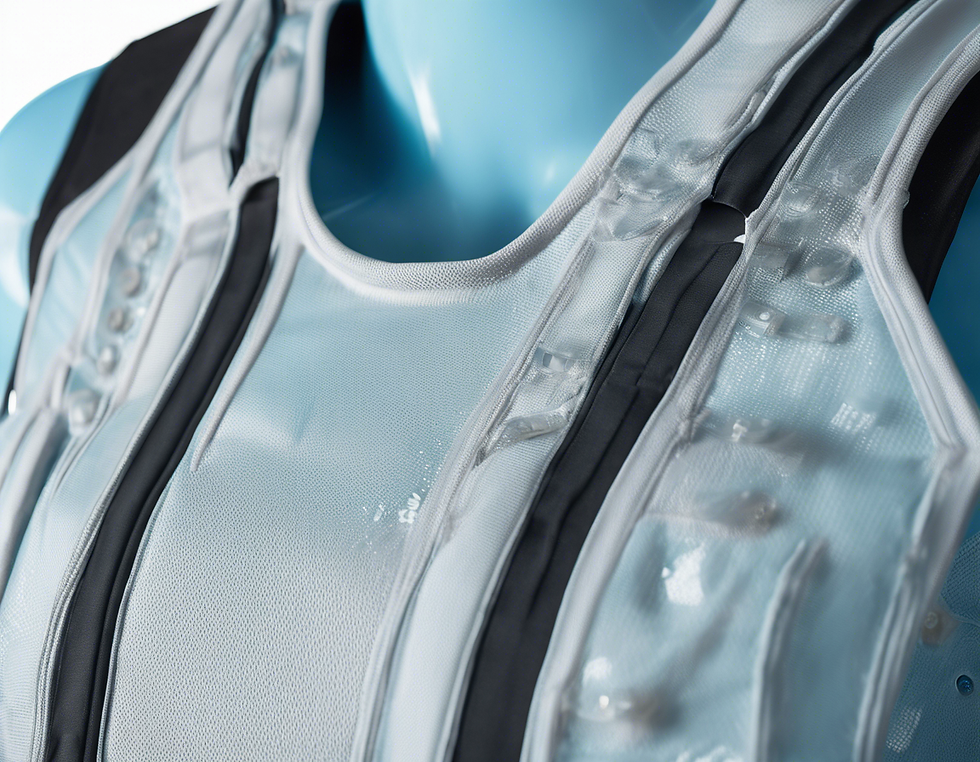
Sukoon is an IIT Madras–incubated company developing next-generation smart Personal Protective Equipment (PPE) designed to safeguard industrial workers operating in high-heat environments. Our smart PPE solutions take the form of cooling jacket systems that not only shield users from intense external heat but also actively dissipate the internal heat generated by the body during strenuous work. These wearables are engineered to maintain safe thermal comfort, enhance productivity, and reduce the risk of heat stress across diverse industrial sectors. The solutions currently available commercially are BluPHASE, a passive PCM-based cooling system, and BluPULSE, a hybrid active–passive system integrating airflow with Radiative and Evaporative system for improved thermal regulation. More details at [xyz].
7. Impact: Before and After Sukoon
Parameter | Before Sukoon | After Sukoon |
Worker Core Temperature | Rises steadily during shift | Maintained within safe range |
Heat Stress Incidents | Frequent fatigue and cramps | Drastic reduction |
Productivity | Drops by 15–25% during peak heat | Maintained close to baseline |
Hydration Demand | Very high | Reduced, more sustainable |
PPE Comfort | Hot and heavy | Light, cooling, ergonomic |
Worker Satisfaction | Low morale during summer | Improved comfort and motivation |

8. Economic and Safety Benefits
For organizations, the return on investing in heat safety is both human and financial:
Reduced medical and compensation costs
Fewer lost-time incidents (LTI)
Higher uptime and productivity
Stronger compliance with global safety standards
Positive worker morale and retention
A small investment in personalized cooling can prevent high-impact incidents and reputation loss.
To make thermal comfort accessible to every industrial worker — safely, effectively, and sustainably.
10. Final Note to EHS Professionals
Heat stress is not just a summer challenge — it’s a year-round productivity and safety issue.
As an EHS leader, you play a pivotal role in protecting both people and performance. Moving from symptom management to active protection is the next frontier in industrial safety.
At Sukoon, we’re here to partner with you in this journey — through data-backed, field-tested cooling innovations that work in the toughest environments.
Contact Sukoon
Website: www.thesukoonworld.com
Email: enquiry@thesukoonworld.com
Location: IIT Madras Research Park, Chennai